Welcome to CSI for the Ocean
Quick links for most popular searches:
Merging Environmental Science with Forensic Techniques to Enable Global Citizen Science Data Collection
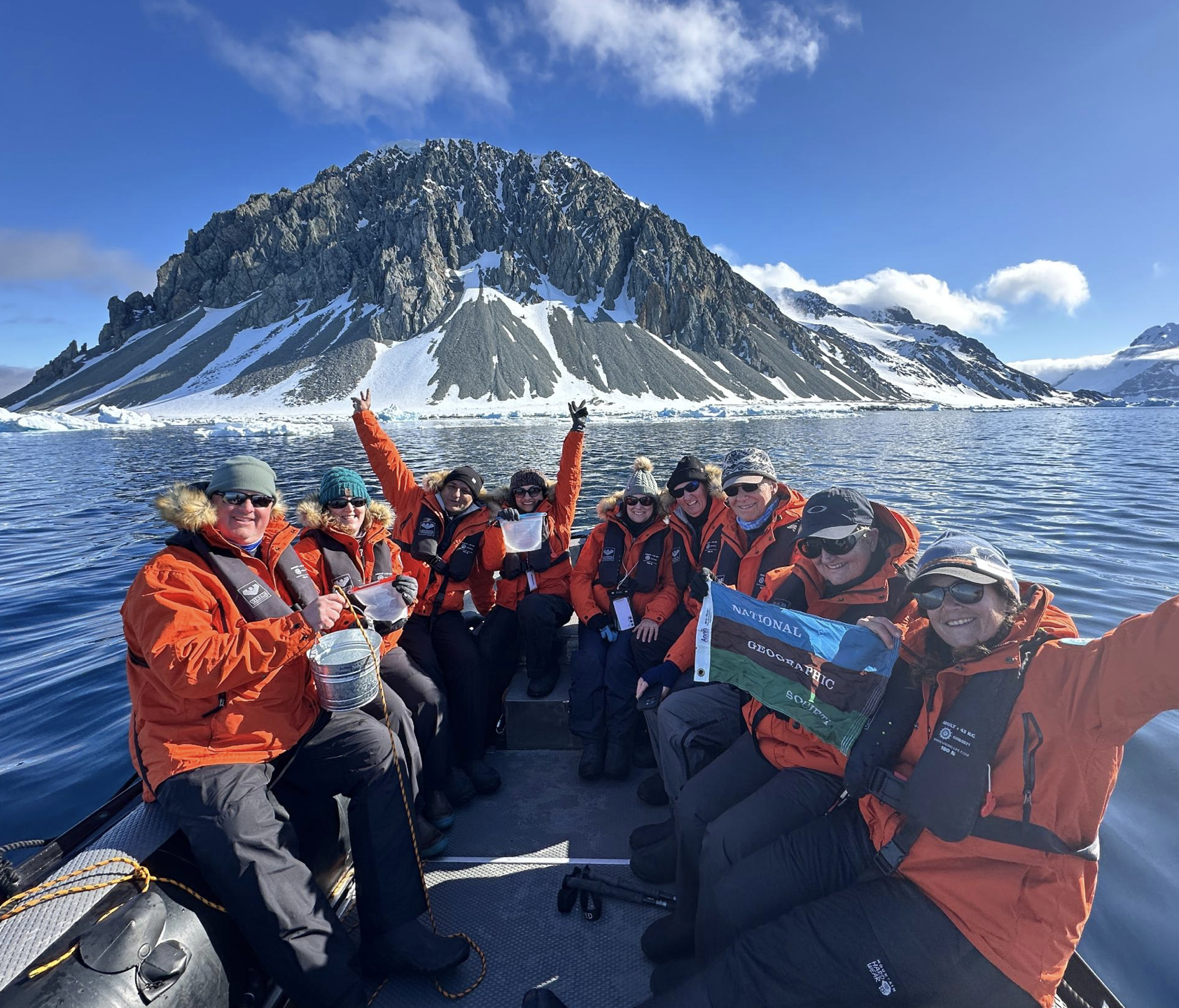
Since 2016, Rozalia Project Founder and National Geographic Explorer, Rachael Miller, and her team have been using ship-based expeditions to study microplastic and microfiber pollution, refine methods that make this science affordable and the equipment accessible and use the data to support the development and deployment of solutions. At the same time, Prof. Claire Gwinnett, also a National Geographic Explorer, and her team in the Forensic Science Department of the University of Staffordshire realized that forensic science methods could blend with marine science to achieve similar goals - accessibility and affordability. The two teamed up in 2019 for their first expedition and have been working together ever since. The program born from this partnership is CSI for the Ocean, a global citizen science microplastic and microfiber mapping and monitoring program using accessible methods inspired by forensic science. This program has largely been supported by the National Geographic Society.
Join the investigation team!

By following the CSI for the Ocean sample collection, processing, analysis and contamination reduction protocols, your results will launch an important local dataset and contribute to the global dataset. You and your class, organization, family or team can discover local hotspots and identify if there is a possible local point source that can be addressed or if there are multiple diffuse sources that need upstream solutions, just like our Arctic and Southern Ocean data indicate.
This program is completely free, just sign up with the form below, which helps us track participation, provide ongoing support and report back to our amazing funding partners. Our team will then invite you to the shared Google Drive folder containing the equipment list, methods and protocols, data cards and more!
-
A growing body of evidence indicates that microplastics, microfibers in particular, pose a real threat to creatures throughout the marine food web. They are present in the air, water, sediment and soil and their tiny size (>5mm) makes them easy to ingest and inhale for creatures of all sizes, potentially causing myriad impacts including inflammation, food dilution, behavior changes and mortality. Further research shows the presence of microplastics throughout the human body (including hearts, lungs, guts, blood, reproductive systems and brain tissue) via ingestion and inhalation. A growing body of peer-reviewed, published research indicates associations between the presence of microplastics and disruption of the gut microbiome, inflammation, infertility, severe illness and more. We must address this pollution.
-
The aim of CSI for the Ocean is to better understand microplastic and manmade microfiber pollution - where it is and what the “it” precisely is so that it can be prevented. By combining expeditions that access remote places with partner organizations and schools that have the capacity for local monitoring, detailed microparticle characteristic profiles can be obtained using multiple key microparticle features: fragment or fiber, color, cross-sectional shape, delusterant presence, width and (in some cases) material. All of this can be collected and analyzed with accessible, costeffective and inclusive equipment and methods which were inspired by forensic science. This program is not just for scientists but for anyone interested in doing meaningful community research.
-
You have the choice to sample the water and/or the air. Here are the steps that make up this program:
Look around your area and determine a sampling plan including location and frequency. What question would you like to try to answer? For example, you could sample every Friday and Monday morning to see if summer recreation increases microplastic pollution over the weekend, before and after events, before and after rainstorms, simply the same day every week, or mornings and evenings for a week. You get the idea, you can determine your plan!
Gather the equipment you will need. We have an equipment list to use as a guide. The minimum cost is around $42 which will cover 100 samples (which is a lot). Chances are you have everything else you need for the field work and filtering.
Find a microscope. You might have access at a local school, museum or environmental organization. Our equipment list also has some suggestions for purchasing your own.
Collect surface water samples from any waterbody and/or place buckets to sample atmospheric deposition (plastic and manmade particles falling out of the sky) and record metadata about the location and conditions.
Filter the samples and perform a tape lift to fix the sample on a glass slide (to be explained in the protocols).
Once the sample is on a slide, you will use 400x magnification for best quality results to identify particles of interest and record observable details about those particles.
You will collect, keep and analyze this data yourself and share your spreadsheets/data visualizations with us. Whatever your level of participation, your data will be extremely useful both locally and globally to understand this invisible, but increasingly dangerous type of pollution.
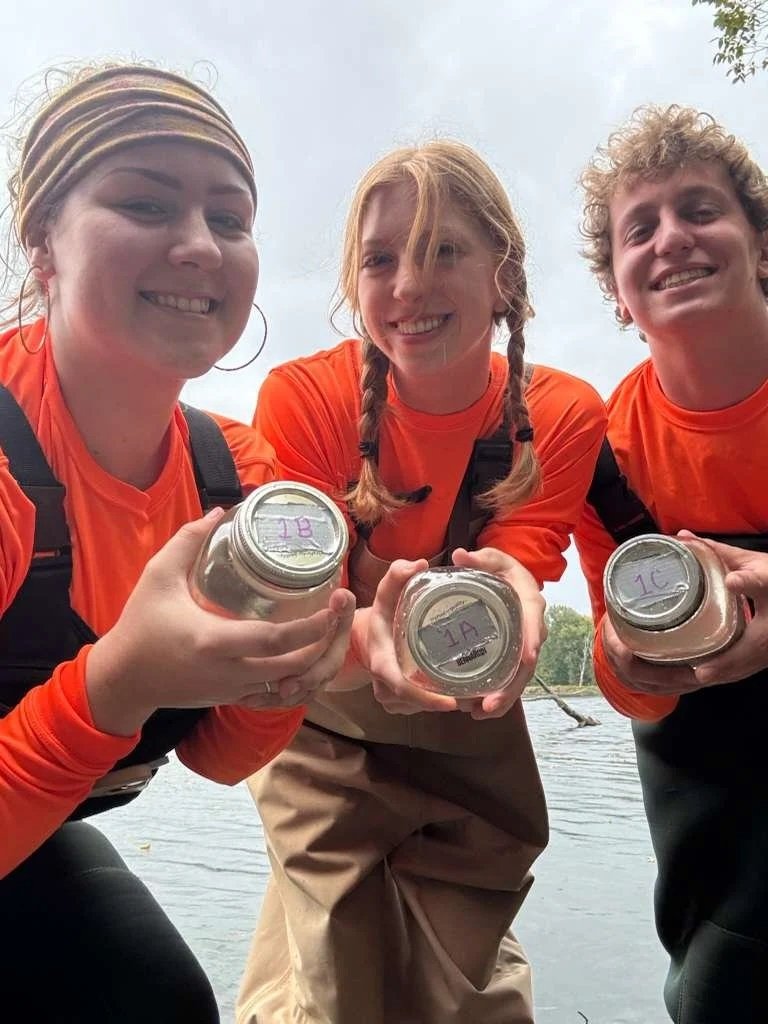
Welcome to the Team!
Rachael, Claire and the team are so excited to have you join the CSI for the Ocean crew and are available to provide support along the way! If you are ready to dive in, fill out the sign-up form. We’ll share the Drive folder of documents for you to get started!

Global Expedition Results
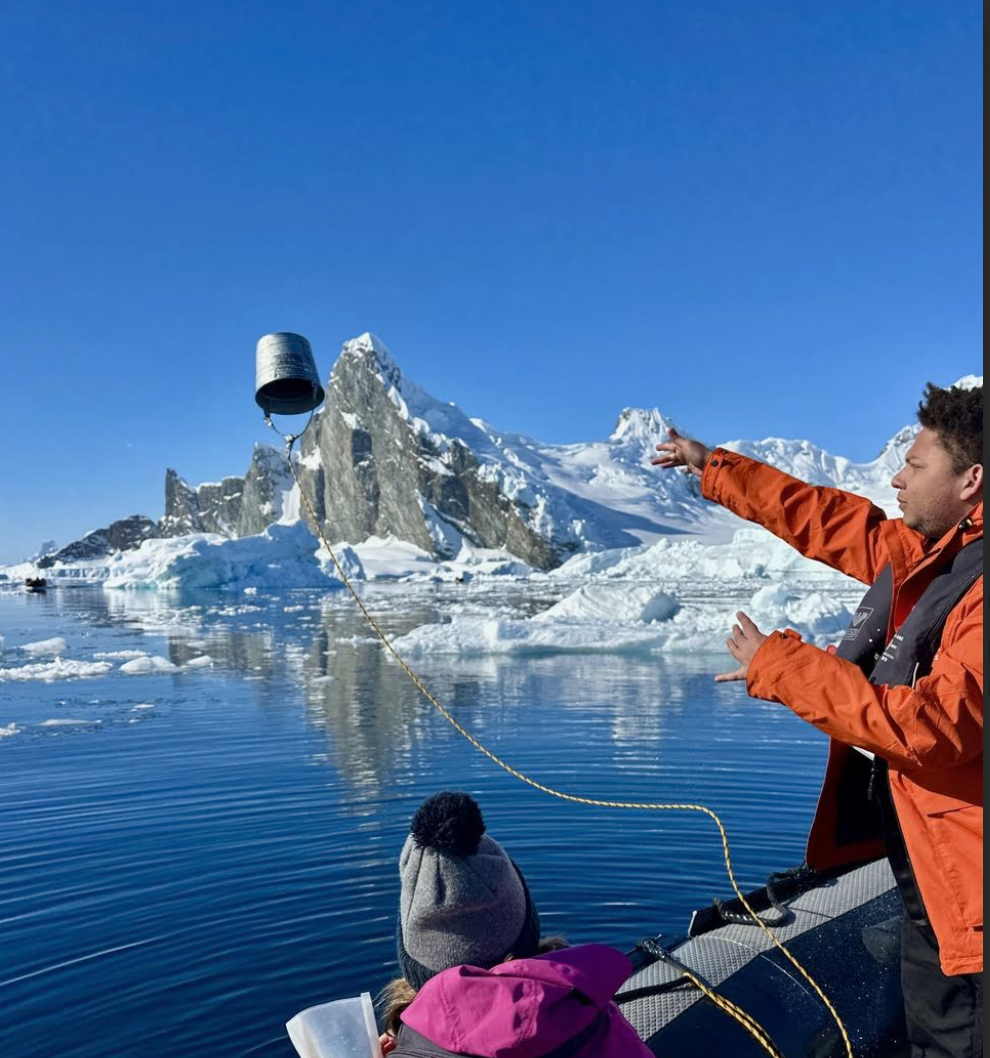
Antarctica 2025
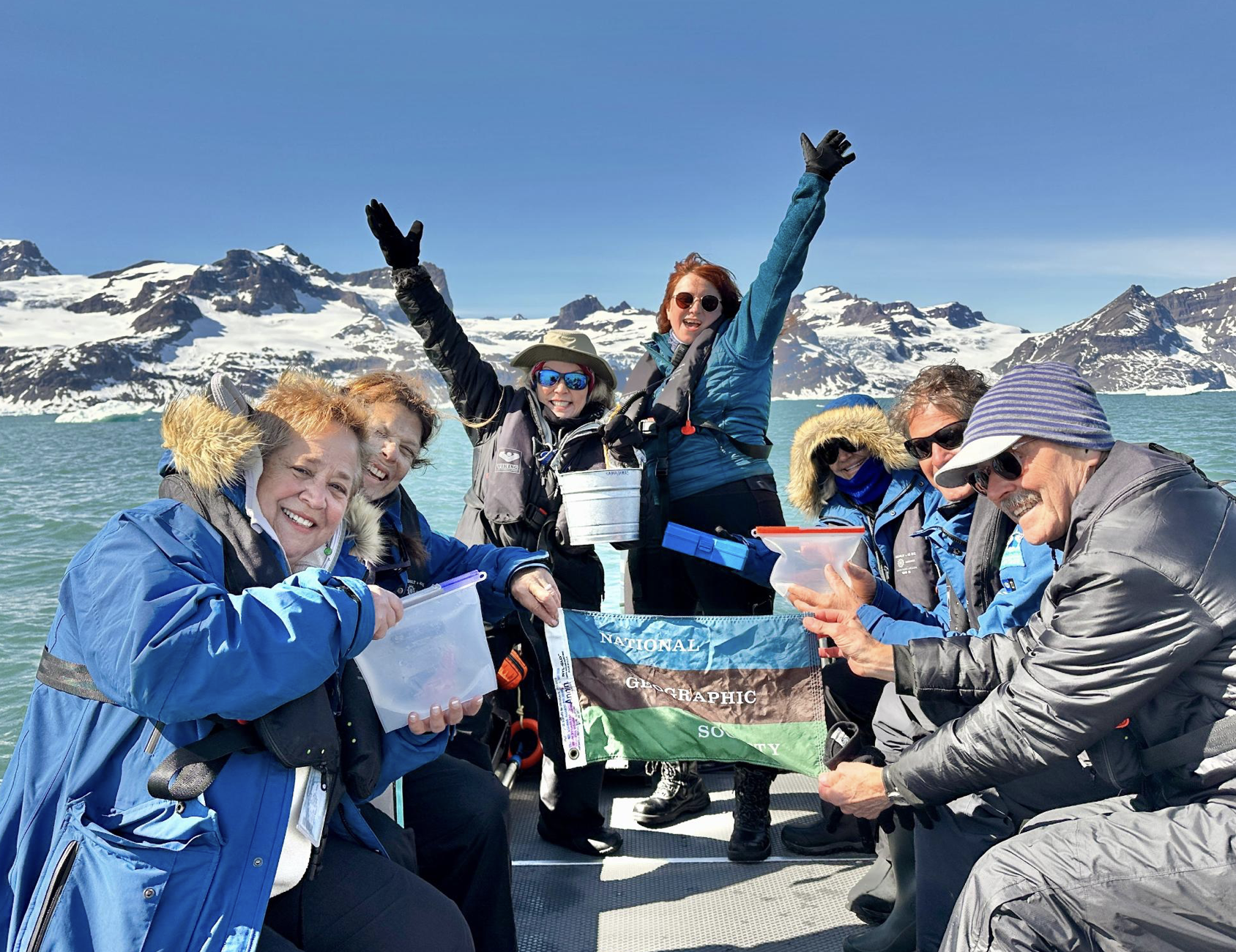
Svalbard, Jan Mayen, East Greenland & Iceland 2025